Luke Littler Odds: Is the Dominant Favourite Still Worth Backing?
 Available in US
The Most Backed Player in Professional Darts
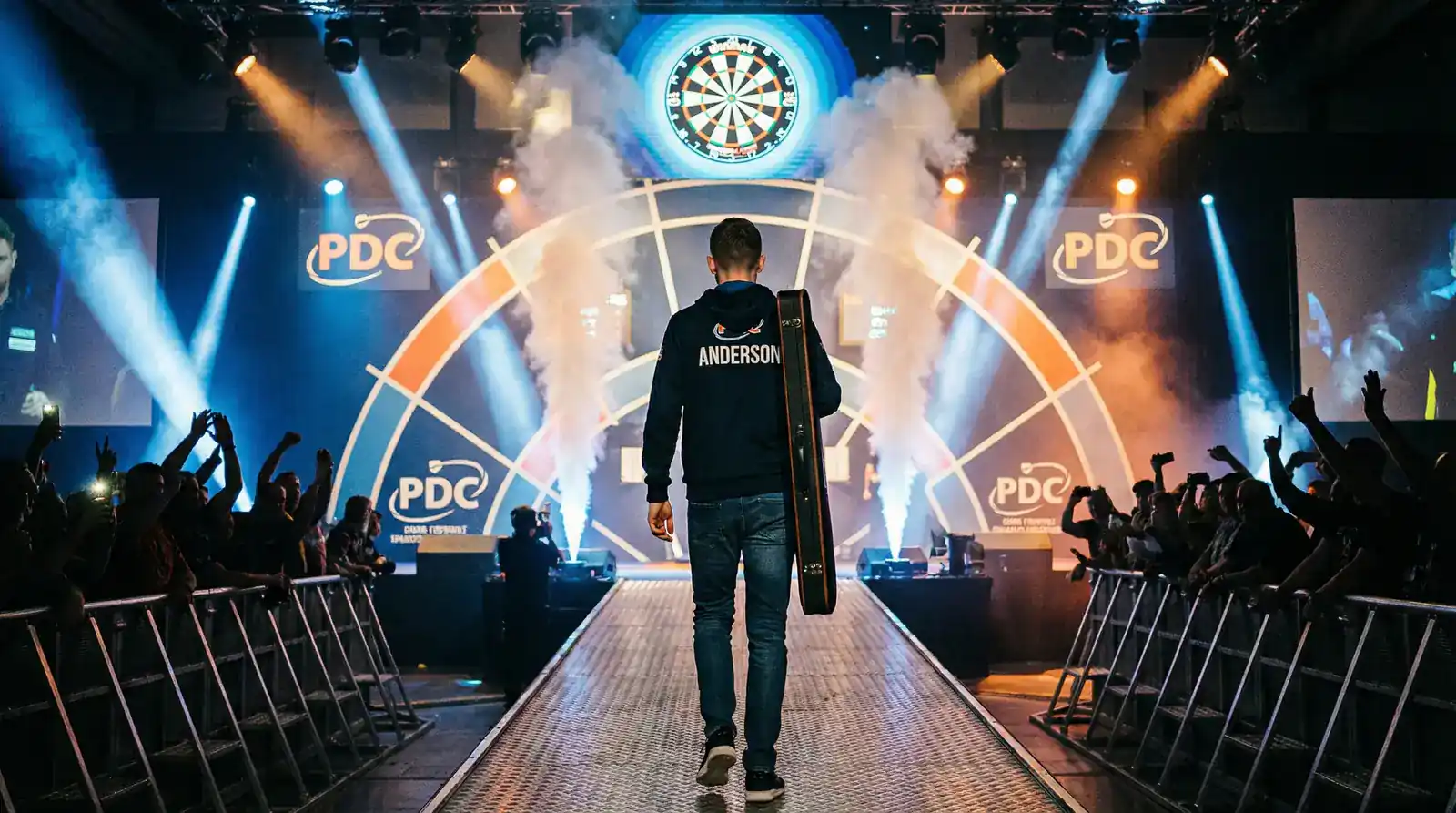
There’s a moment at every PDC event I attend where the crowd noise shifts from general buzz to something primal, and it always coincides with one player’s walk-on. Luke Littler, at just 18, has become the most recognised figure in darts and — more relevantly for our purposes — the most heavily backed player in every betting market he enters. His back-to-back World Championship wins in 2025 and 2026, beating Van Gerwen 7-3 and Van Veen 7-1 respectively, have cemented a dominance that the sport hasn’t seen since the peak years of Phil Taylor. He’s the fourth player in history to defend the World Championship title in consecutive years.
That dominance creates a specific betting problem. When the entire market knows a player is the best, the odds compress until the price no longer reflects value — it reflects popularity. Littler opens as favourite for virtually every event he enters, and the weight of recreational money that floods in on his name pushes those prices even shorter. The question every serious darts bettor must answer isn’t whether Littler is the best player — he obviously is — but whether his price on any given market offers a positive expected return.
Littler’s Odds Profile: How Sportsbooks Price Dominance
Sportsbooks face a genuine dilemma with Littler. Price him too short and the liability if he wins is enormous relative to the margin earned. Price him too long and sharp bettors pile in, creating a different kind of exposure. The result is that Littler’s outright tournament odds tend to settle in a range that balances these competing risks rather than reflecting pure probability — and that balancing act is where opportunities emerge.
Matt Porter, the PDC’s CEO, noted that Littler has opened doors to a whole new audience and taken interest to a different level, particularly among younger fans who consume content through social media. That audience translates directly into betting volume. When a player attracts disproportionate recreational money, sportsbooks shade the price shorter to manage their exposure, effectively taxing the popularity rather than reflecting true probability. I’ve observed Littler’s outright odds at major events sitting 10-15% shorter than what his actual win probability — calculated from match-by-match modelling — would justify.
His Target Darts sponsorship deal, reported at 20 million pounds over ten years, underscores the commercial scale of his profile. That profile drives betting handle, and the handle drives the price. For a value bettor, this dynamic means Littler is rarely a good outright bet at the opening price. But it also means the players drawn against him in early rounds may be overpriced as losers — the market discounts their chances more than Littler’s actual match-specific edge warrants.
Where Littler Bets Still Offer Edge
Blanket statements about never backing Littler are as lazy as blindly backing him every time. There are specific market conditions where his price does offer genuine value, and identifying them requires looking beyond outright odds.
Match handicap markets are the first place I look. When Littler faces a lower-ranked opponent, the match winner price might be 1.10 — useless for value purposes. But the handicap line at -3.5 legs might be priced at 2.00, which implies the sportsbook thinks he’ll win by three or fewer legs about half the time. Against certain opponents — specifically those with low three-dart averages below 92 and poor checkout rates — Littler’s scoring power creates margins that exceed -3.5 more often than the handicap price suggests. His regular average of 105-115 in major matches means he’s frequently hitting six visits fewer per leg than his opponent, creating the kind of scoring differential that produces wide-margin wins.
The second opportunity is in-play backing after a slow start. Littler is human, and he occasionally drops the first set or first few legs of a match. When he does, his in-play price drifts to levels that don’t reflect his ability to reset and dominate from that point forward. I’ve backed Littler in-play after an opening-set loss at prices between 1.60 and 2.00, which represents substantial value given his recovery rate in major matches. The key is distinguishing between a slow start caused by nerves or timing — which he consistently recovers from — and a genuine off night where his scoring has fundamentally collapsed. The latter is rare; the former is a recurring entry point.
Betting Against Littler: When and Why
Opposing Littler requires a specific set of conditions, and getting it wrong is expensive. But the opportunities exist, particularly in shorter formats and at specific tournament stages.
Short-format matches are the great equaliser. In a best-of-7 legs match at a Players Championship, the variance window is wide enough that a player averaging 95 can beat a player averaging 110 by hitting their doubles at the right moments. Littler’s win rate in short-format floor events is excellent but not unbeatable — the margins are thinner than in televised best-of-13 or sets matches where his consistency advantage compounds over more legs.
The second condition is double-start formats. The World Grand Prix strips away some of Littler’s scoring advantage by requiring doubles to begin, and while his doubles are strong, the format introduces enough randomness to make his first-round price less certain than at standard events. If his recent doubles conversion rate has dipped heading into the Grand Prix, the underdog in his first-round match often carries more value than the market suggests.
The third is fatigue accumulation in condensed schedules. The Premier League runs weekly, and by the latter stages of the season, even elite players show wear. Littler’s youth is an asset here, but the physical and mental demands of being the number one target every Thursday do take a toll. Tracking his performance metrics week-by-week through the Premier League — specifically, whether his three-dart average and checkout rate trend downward after week eight — reveals windows where his Thursday night price is slightly too short.
Opposing the best player in the sport will always feel uncomfortable. But discomfort and negative expected value are different things. When the conditions align, betting against Littler at inflated underdog prices is one of the sharper plays in darts.
Are Littler’s outright tournament odds usually priced correctly?
Generally, Littler’s outright odds are priced shorter than his true win probability warrants because the weight of recreational money on his name forces sportsbooks to compress the price. His actual tournament win rate, based on the structural reality of needing to win six or seven consecutive matches, is typically lower than the implied probability of his outright price.
At what outright price does Littler become a value bet versus an overbet?
This depends on the specific tournament and field, but as a general guideline, Littler’s outright price needs to be above 2.50 for a standard PDC major before the implied probability drops below his realistic win rate. At prices shorter than 2.00, the implied probability almost always exceeds what any single player can achieve in a knockout format, regardless of their dominance.
Find the best options for darts betting.
Read our detailed review of PDC Darts Calendar 2026: A Bettor’s Guide to Every Major Tournament.
Created by the ”Darts Betting” editorial team.