Darts Betting Mistakes: The Errors That Cost Punters Money
 Available in US

The Bets You Get Wrong Matter More Than the Ones You Get Right
I keep a spreadsheet of every bad bet I’ve placed since 2018. Not the ones that lost — losing is part of betting. The bad ones: bets where I violated my own process, ignored data I had, or let emotion override analysis. That spreadsheet is more valuable to my long-term results than any winning streak I’ve ever had, because the patterns of error it reveals are the patterns that drain bankrolls. One in thirty Irish adults now experiences problem gambling, and while most darts bettors are nowhere near that threshold, the mistakes that lead to losses and frustration follow predictable, preventable patterns.
These aren’t obscure tactical errors. They’re the common, repeating mistakes I see from bettors at every level — including, embarrassingly, myself — and each one has a clear fix. Knowing what they are won’t eliminate them overnight, but awareness is the first step toward breaking the cycle.
Overrating Big Names and Past Champions
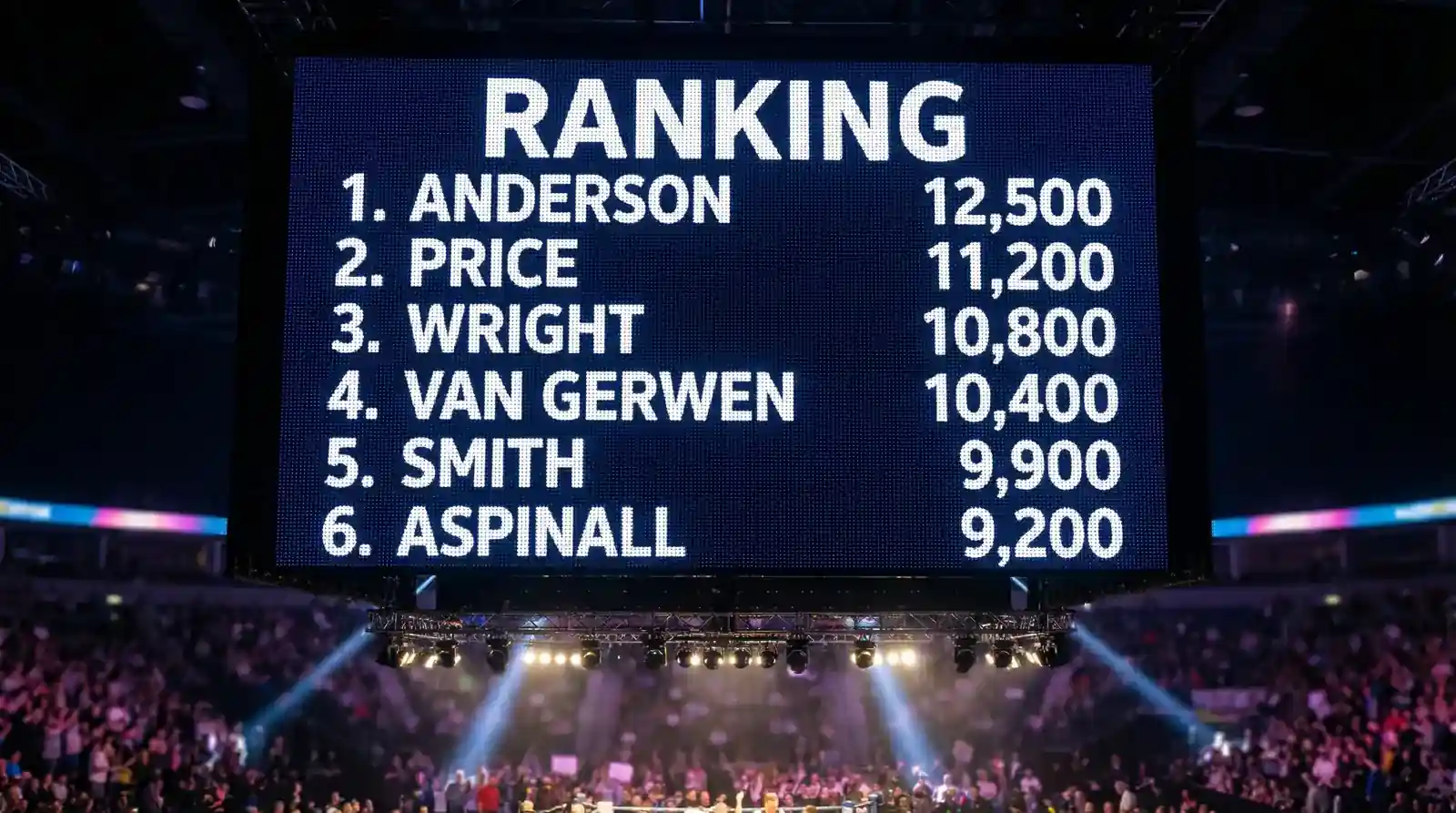
The most expensive mistake in darts betting is backing a player because of who they are rather than how they’re currently performing. Name recognition creates a cognitive shortcut: a former World Champion must be a good bet, right? Not if their three-dart average has dropped from 100 to 93 over the past six months while their price still reflects their reputation.
Sportsbooks know that recreational bettors overweight name value, and they price accordingly. A fading champion might be offered at 2.20 when their current form suggests 2.80 would be fairer. The sportsbook shortens the price because they know casual money will flow to the name. Luke Littler regularly averages between 105 and 115 in major matches, which makes his pricing justified by current performance. But other established names often carry prices that reflect past glory rather than present reality. Before backing any player, check their floor event averages from the past three weeks. If the numbers don’t support the price, the name is irrelevant.
Ignoring Format When Switching Between Events
A bettor who backed a player confidently at the World Matchplay (legs-only) and then uses the same analysis framework for the World Championship (sets) without adjustment is making a format error that distorts every probability estimate they produce. I’ve done it myself — carried a mental model from one event to another without recalibrating for the structural differences between legs and sets.
The practical impact: upset probabilities differ between formats. Short legs-only matches favour underdogs; extended sets matches favour quality. A correct score prediction built on legs-only data applied to a sets match will miss the mark. Even the relative importance of different stats shifts — checkout percentage matters more in short formats where every double attempt is decisive, while three-dart average matters more in long sets formats where scoring consistency compounds. Every time the format changes between events, your model needs to change with it.
Chasing Losses With Reckless In-Play Bets
This is the mistake that turns a bad evening into a terrible month. You lose a pre-match bet. The next match starts, and instead of waiting for a genuine in-play opportunity, you jump in during leg two to “win back” what you lost. The bet isn’t based on analysis — it’s based on urgency. The price doesn’t represent value — it represents availability. And when that in-play bet loses too, the cycle accelerates.
Darts is particularly dangerous for loss chasing because the matches are short and frequent. On a Thursday Premier League night, there are four matches in quick succession. Losing the first match bet leaves three more matches as immediate recovery opportunities, and the temptation to escalate stakes on each successive match is powerful. I combat this with a hard rule: if I lose a bet during a session, my next bet must be at equal or lower stakes. Never higher. The rule is simple enough to follow even when emotional, and it breaks the escalation spiral that loss chasing depends on.
Betting Without Checking Floor Event Form
I see this constantly: bettors who watch the televised matches on Sky Sports, form opinions based on those two or three hours of coverage per week, and bet accordingly — without ever checking what the same players did at the Pro Tour floor events on the preceding weekend. Televised matches are the tip of the iceberg. The real form data sits underneath, in the dozens of floor matches each player competes in between TV appearances.
A player can look brilliant in one televised match and mediocre across ten floor matches the same month. The televised match was the outlier; the floor events were the norm. Betting on the outlier without knowing the norm is how you systematically overrate some players and underrate others. The fix is straightforward: before any darts bet, spend five minutes checking each player’s results from the most recent Pro Tour weekend. The information is freely available, and it transforms your analysis from impression-based to data-based.
What makes this mistake particularly damaging is how it compounds with the others. A bettor who skips floor event research is more likely to overrate big names — because televised coverage naturally highlights established stars — and more likely to ignore format differences, because they haven’t seen how the same players perform across different event structures on the floor. The research gap feeds every other analytical weakness, turning a single shortcut into a cascade of bad decisions. Fifteen minutes of Pro Tour research per week would prevent more losing bets than any tipster subscription or analytical tool you could buy.
The best darts bettors I know — the ones who actually turn a profit year after year — don’t make dramatically different analytical choices from average bettors. They make the same choices but avoid the mistakes that erode edge. Eliminating even two of the errors above would improve most bettors’ results more than any new strategy or system they could adopt. Every mistake you remove is margin you keep, and in a sport where edges run between 2% and 5%, the margin you keep on the losing side matters at least as much as the margin you gain on the winning side.
What is the single most costly mistake darts bettors make?
Overrating big names and past champions at prices that don’t reflect current form. Sportsbooks shorten odds on well-known players because they attract recreational money, which means you’re often paying a premium for name recognition rather than genuine value. Always verify that a player’s recent floor event form supports their price before backing them.
How do I stop chasing losses during a live darts event?
Implement a hard rule: your next bet after a loss must be at equal or lower stakes than the bet you just lost. Never increase stakes in the same session to recover losses. If you have lost two consecutive bets, consider stopping for the rest of the session entirely. The matches will be there next week — your bankroll might not be if you chase.
Learn more about darts betting on our main page.
You may also find Darts Betting Odds Explained: Fractional, Decimal and What They Mean interesting.
Created by the ”Darts Betting” editorial team.